-
bitradex
- No Comments
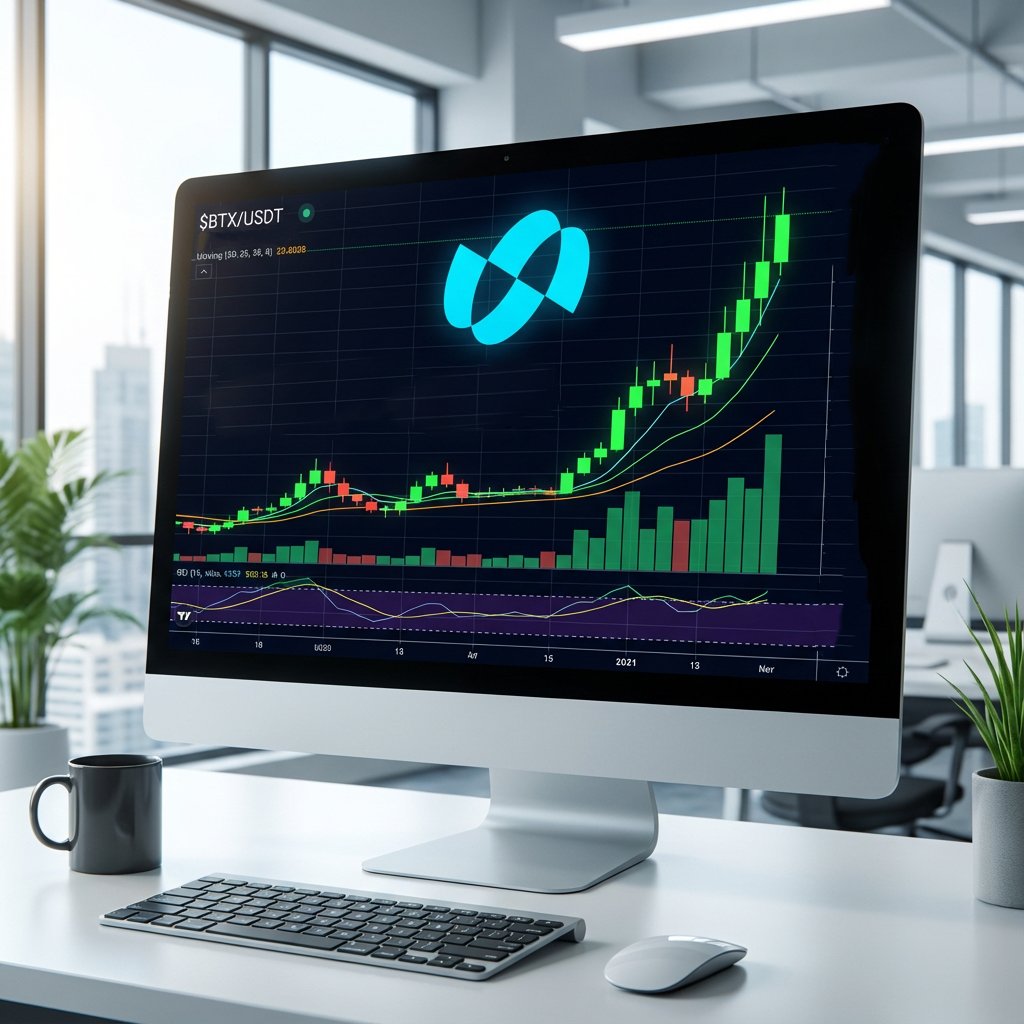
Crypto futures trading gets marketed as a faster, smarter way to trade. That is only partly true. Futures are not just spot trading with more excitement. They are derivative contracts with their own rules around margin, leverage, settlement, liquidation, and position management.
Definition Box
Crypto futures are contracts that let traders speculate on the future price of a cryptocurrency without directly owning the coin itself.
Futures Are Not the Same as Spot Trading
| Dimension | Spot trading | Futures trading | Why it matters |
|---|---|---|---|
| What you hold | The actual asset | A contract tied to the asset | Futures exposure is indirect |
| Direction | Usually long only | Long or short | You can trade rising or falling markets |
| Capital usage | Full position value | Margin-based | Futures use leverage |
| Expiration | No contract expiry on spot holdings | Some futures expire; perpetuals do not | Contract type changes how positions behave |
| Main risk | Asset price falls | Price move, leverage, liquidation, funding or settlement rules | Futures risk is more layered |
Long, Short, Margin, and Leverage
Going long means you expect price to rise. Going short means you expect price to fall. Margin is the collateral you post to open and maintain a futures position. Leverage lets you control a larger position with smaller upfront capital.
The practical takeaway is simple: higher leverage means less room for error, smaller adverse moves can trigger liquidation, and the position may fail before your trade idea has time to play out.
Expiring Futures vs Perpetual Futures
Traditional futures have expiration dates. Perpetual futures do not expire in the same way and often use funding rates to keep prices closer to spot. Beginners should not treat those contract types as interchangeable.
Why Liquidation Changes Everything
Liquidation is what happens when your position can no longer support the losses against it. On a leveraged futures position, you do not just sit through drawdown the same way a spot holder might. If the move against you is large enough relative to your margin, the platform may automatically close the position.
If you are exploring a platform with visible crypto futures trading access, the important question is not just whether the page exists. It is whether you understand what happens to your margin if the trade moves against you.
Myth vs Reality
Myth: Futures are just for more aggressive profits
Reality: Futures are also used for hedging, not just speculation.
Myth: If I use a small amount of capital, I cannot lose much
Reality: A small margin deposit can still control a much larger position.
Myth: Being right about direction is enough
Reality: Futures punish bad timing and bad structure.
Myth: High leverage is the fastest path to learning
Reality: High leverage usually just reduces your room for error.
What Futures Are Actually Good For
Futures are useful when the trader has a specific reason to use them. Common use cases include speculation, hedging, and spreading. The problem is not the contract itself. The problem is using it without a clear reason.
Common Beginner Mistakes
New traders often misunderstand notional exposure, confuse volatility with edge, ignore liquidation distance, and try to use futures before they understand BTC/USDT spot trading.
A Beginner Checklist Before Trading Crypto Futures
- Can you explain the contract in one sentence?
- Do you know the notional size of your position?
- Do you know what event would invalidate the trade?
- Have you checked margin rules and liquidation behavior?
- Are you choosing futures for a real reason?
- Would spot trading accomplish most of the same goal with less structural risk?
- Can you monitor the position properly?
Where BitradeX Fits Into This Topic
If you are comparing platforms that offer both market monitoring and crypto market data alongside direct futures access, the same rule still applies: learn the instrument before you touch the leverage. A cleaner workflow does not remove contract risk. It only makes execution more accessible.
Authority References
- The CFTC’s basics page is useful for grounding the core idea of what a futures contract is.
- Coinbase’s futures fundamentals is a helpful retail-friendly explanation of long, short, leverage, and margin.
- CME Group’s futures education materials are useful for understanding standardized contracts, expirations, and settlement logic.
Conclusion
Crypto futures trading basics are not hard to memorize. They are hard to respect. The best beginner mindset is not “How much leverage can I use?” It is “Why do I need a futures contract at all, and what happens if I am wrong sooner than expected?”
No Comments